
Who said manufacturing in the UK was a dying trade?
With many of our products being imported from all areas of the world, its important for us to reflect on the skilled trades in the UK.
Blacksmith
The blacksmithing industry is a large part of British history particularly during the industrial revolution.
Blacksmiths differ from metalsmiths as they work with wrought iron or steel, forging the metal together by using specific tools to hammer, bend and cut the metal. The art of the blacksmith is based on ancient principles – the forging of the metal invests special quality and character which couldn’t be more different from the mechanical qualities of cut and weld fabrication.
Historically even before the start of the start of the industrial revolution, a blacksmith or “smithy” was evident in every town however the rise of the factories and mass produced products reduced the demand for the blacksmiths services. The 1970’s saw a reawakening of the blacksmith industry in the UK when the British Artist Blacksmiths Association was created in 1978. The BABA are still in action today with over 600 members. Blacksmithing today is not what it used to be, there are now new computerised methods which have aided modern day blacksmiths. Traditional methods relied on the hand skills however which lie at the very heart of the craft. Despite the UK experiencing a decline in the blacksmithing industry, in developing nations blacksmiths have continued to thrive making and repairing iron steel tools and hardware.
Keg Maker
You may not be too familiar with the word keg, but it has been said to be one of mans most influential inventions. A keg is basically a small barrel, it’s purpose is to transport, store and serve a selection of beers, wines and spirits and any other liquids that must be kept under pressure. A standard sized keg is just half the size of a barrel and should be manufactured to be able to carry 50 litres (11 gallons) of liquid.Traditionally a keg is made of oak however due to the rise in the manufacturing of aluminium and stainless steel kegs, there has been a shortage in the production of wooden kegs.
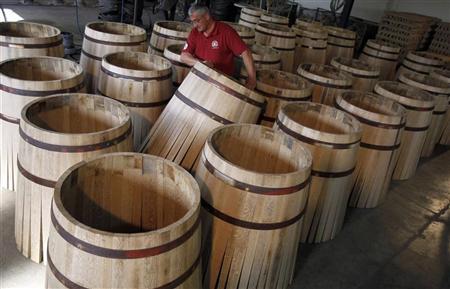
The technique of barrel and keg making does back thousands of years, the Romans would use barrells to ship wine overseas as it this was the most convenient form of storage for transportation. The romans however also used this form of storage for a variety of bulk goods including coins and food. The hand crafted wooden kegs are mainly manufactured in the UK for beer, port and whisky. A person that makes a keg is called a Cooper and the art of “keg making” is referred to as Cooperage. The Cooperage is crucial in maintaining that wooden charm. The art of manufacturing a keg is crucial and it must be carefully crafted. Kegs must be individually hand coopered to a very high standard – as each keg must be watertight and shaped correctly so they withstand stress, rolling and stacking.
Keg Coopers in the UK are now few and far between – with the introduction of steel drums fewer breweries are needing wooden kegs. Despite this wooden kegs remain a great importance for ageing wines, beers and spirits.
Tanner
A Tanner is the curer of animal hide to make leather. Tanning is the process of treating the skins of animals to produce leather.
This process is taken place in a Tannery this is performed with either two methods vegetable or mineral. Before the tanning can take place the skins must be unhaired, degreased, desalted and soaked in water over for up to 2 days. The traditional vegetable tanning method is the most classical method and the most recognisable. Among the various tanning methods, vegetable tanning is the only one able to give leather unique characteristics it is also the most natural methods and is environmentally friendly. In the 19th century vast quantities of leather was required for horse drawn vehicles of every kind, as UK towns and cities began to grow so did the demand for leather products. Uk tanners were renowned for producing high quality leathers using a variety of different leather techniques for a variety of different markets ranging from equestrian & saddlery to fashion accessories.
English tanners are now few and far between the tanning industry has become hard pressed to keep up with the demand for leather. There are still small tanning companies in the UK, however most tanning is now done abroad due to cheaper labour costs, Morocco and Turkey are well known for producing leather goods at cheaper prices.
Coach Line Painter
Goodwood, the home of Rolls Royce – where each day state of the art cars are produced by a highly skilled workforce.
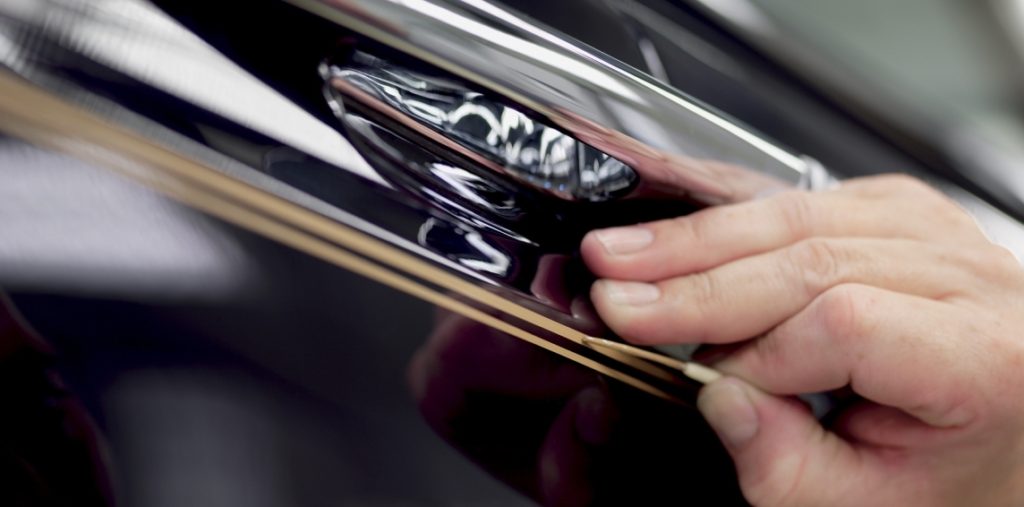
With cutting edge technology and skilled craftsmanship the Rolls Royce employees are extremely passionate and work hard to produce high quality motor cars on a day to day basis. Mark Court is the coach line painter at Rolls Royce, he has the steadiest hand in the business and is currently the only employee that can paint the coachline.
The three hour process requires Mark to paint a 6 metre line from the front to the back of the car completely free hand using unique paint brushes made from ox and squirrel hair – which he has owned since he began working for Rolls Royce. Mark was an apprentice at Rolls Royce for 5 years before he gained the right skills to perform to the highest quality standard required by Roll Royce, his son is also following in his fathers footsteps and is currently in the process of completing an apprenticeship in coach lining at the Goodwood base.
Mark is responsible for every pinstripe that leaves the Rolls Royce factory, he has played an important role in customizing some of the most expensive cars in the world. His unique skill has even taken him 4000 miles across the world to Dubai, when a prince flew him over specifically to add a custom signature to his new car.
Shoemaker
Shoemaking is a highly skilled trade that in recent years has been dramatically reduced with the introduction of mass production machinery. The craftsmanship and attention to detail of a shoemaker is second to none, shoemakers are renowned for producing handmade quality footwear working with materials generally made from leather, wood, rubber, plastic or jute. In the past shoemaking has been a handicraft, a time consuming process involving the shoemaker to manufacture everything from hand using more than 15 different techniques of making shoes. The typical English method is referred to as English welted or “Goodyear” welted.
The traditional shoemaker would measure and fit shoes to the exact size, however since the 18th century when shoemaking became more commercialised shoes have generally been made in factories and warehouses. The factory system was great for the high demand and economic gains however the end product lacked the individualism that the traditional shoemaker could provide.
Traditional methods of shoemaking still exists in poorer parts of the world but unfortunately is a dying trade in the UK. Cobblers offer shoe repair services and are still used by many people across the UK however traditional cobblers are now few and far between as the services on offer have largely disappeared across the UK.
